Proper Stretching That Prevents Muscle Strain
Proper stretching restores muscle flexibility‚ prevents strain and injury‚ improves posture and sleep‚ and helps your body and mind find their balance.
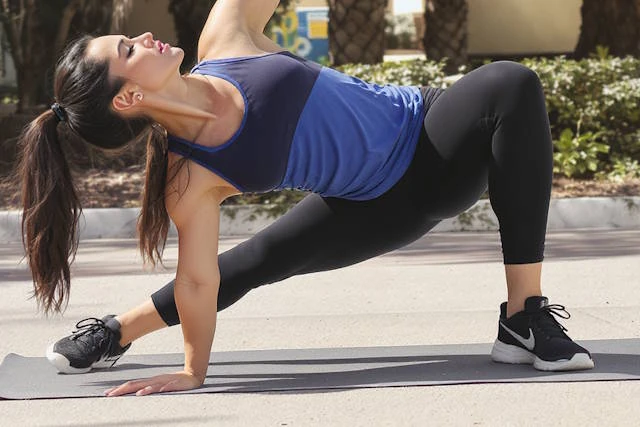
Understanding the Role of Stretching in the Body
Muscles tend to tighten and shorten during the day‚ especially in people who sit for long hours or repeat the same movement at work or in training. Proper stretching lengthens the muscle fibers and restores their flexibility. When muscles are flexible‚ they cope better with sudden effort‚ load or changes in movement. The body feels free‚ posture improves and the risk of injury drops significantly. Beyond that‚ stretching supports blood flow‚ oxygenates the tissues and gives an overall feeling of lightness.
Choosing the Right Time to Stretch
The time you choose to stretch affects the result. Stretching before physical activity is meant to prepare the muscles for the load‚ while stretching afterward is meant for release and relaxation. In the morning‚ stretching wakes up the body and helps you start the day feeling alert. In the evening‚ it helps calm the nervous system and release the tension built up during the day. In any case‚ it is important to stretch when the body is slightly warm - even a short walk or gentle movements beforehand can make stretching more effective and prevent injury.
The Link Between Proper Breathing and Effective Stretching
Breathing is an integral part of stretching. When you breathe deeply‚ the body gets oxygen‚ the muscles relax and the stretch becomes safer and deeper. A long exhale during the stretch releases both physical and emotional tension. Holding your breath‚ on the other hand‚ makes the body tense up and increases the feeling of pain. Consciously combining breath and movement creates a full connection with the body - a connection that lets you feel when a stretch is right and when it is time to stop.
How Stretching Prevents a Build-Up of Strain
Muscle strain does not come only from intense workouts but also from everyday habits - sitting at a computer‚ driving for long periods or even holding a phone for a long time. Over time‚ the muscles respond with constant tension that leads to pain. A short daily stretch stops this process before it develops. It balances the muscles‚ restores natural movement and prevents chronic tension patterns from forming. Once the body is released‚ your breathing and thinking become clearer too.
The Emotional Impact of a Stretching Routine
Beyond the physical effect‚ stretching has a calming emotional effect. As the body opens up‚ your inner state is released too. A moment of deep stretching is also a moment of presence - a short break from the daily rush. People who practice stretching report feeling calmer‚ sleeping better and concentrating more easily. Body and mind work in harmony‚ and both physical and mental tension begin to melt away.
Choosing the Type of Stretching to Match Your Goal
There are different types of stretching‚ and each suits a different goal. Static stretches are meant for release after exertion and are done by holding a position for several seconds. Dynamic stretches‚ by contrast‚ involve soft movement and are better suited to the time before activity. There are also active stretches‚ in which the muscles work during the movement to improve control and flexibility. The right stretching method depends on the condition of the body - professional athletes‚ office workers or people recovering from an injury should each follow a different routine.
Keeping Symmetry and Balance in Your Practice
One of the most common stretching mistakes is focusing on only one area. It is important to remember that the body is one system‚ and neglecting one side creates strain on the other. A balanced stretching routine includes both the upper and lower body‚ right and left‚ front and back. This symmetry lets the body move in harmony and prevents injuries from building up. When the body is balanced‚ everyday movement becomes easier and takes less effort.
Consistency and Building a Regular Habit
The real secret of proper stretching is persistence. A few minutes a day are better than one long session once a week. The body remembers movement‚ and the more regularly you do it‚ the more natural it becomes. Even if it feels restrictive or painful at first‚ within a short time you can feel a noticeable improvement in flexibility and lightness. A little persistence leads to a big change: less pain‚ more freedom of movement and a feeling of ease that stays with you all day.
Tailoring Stretching to Age and Lifestyle
Stretching is not just for athletes. It suits every age and every lifestyle. In young people‚ it supports healthy physical development; in older adults‚ it maintains range of motion and prevents stiffness. Even people who do not exercise regularly will benefit enormously. The human body is made to move‚ and every small movement keeps it vital. Matching the intensity of the stretch to your age‚ health and activity level ensures long-term results without risk.
In Summary
Proper stretching that prevents muscle strain is not just part of a workout - it is part of a healthy lifestyle. It reminds the body to breathe‚ open up and find its balance. When it is done mindfully and regularly‚ it changes not only how you feel physically but also your mood. Every small movement is a chance to release‚ and every moment of listening to your body is an investment in your quality of life. The body does not forget attention‚ and one stretch a day can make you feel lighter‚ freer and much more comfortable overall.