Quiet Repetition of a Movement That Brings a Sense of Wholeness
Quiet‚ mindful repetition of a single movement trains the body in precision‚ syncs the breath and builds inner balance‚ confidence and lasting calm.

What Repetition Means for Body and Mind
The human body is built on learning through repetition. Muscles‚ tendons and the nervous system learn through practice repeated again and again. Every time you perform a movement‚ a new network of neural connections forms in the brain. The more precise and attentive the repetition‚ the more natural the movement becomes‚ until it no longer requires conscious effort. In the same process‚ the mind grows used to quiet‚ a steady rhythm and balanced breathing. Repetition is not boredom - it is the deepest way to absorb wholeness through simplicity.
Choosing an Inner Rhythm That Suits Your Body
There is no single rhythm that suits everyone. Some people need slow‚ mindful movement to feel their body‚ while others enter a flow through fast‚ soft movement. Quiet repetition asks you to find the right rhythm for each person - one that lets awareness lead instead of muscles simply working. When you listen to your inner rhythm‚ practice becomes natural‚ almost meditative. Each repetition carries a sense of comfort that reminds the body of its proper place in the world.
The Link Between Precise Movement and Balanced Breathing
Breathing is the heart of every movement. When you repeat an action over and over‚ your breathing adjusts and syncs with your body. Each repetition creates a sense of flow - air coming in and going out at a steady pace‚ movement that starts from within and continues outward. Quiet repetition teaches that precision does not depend on strength but on attention. Mindful breathing prevents unnecessary strain and lets you feel true wholeness - not control over the body but cooperation with it.
The Difference Between Outer and Inner Perfection
At the start‚ attention is directed outward - to angle‚ posture and result. But as the movement repeats itself‚ something deepens: the focus shifts inward. Wholeness is no longer measured by absolute precision of form but by the sense of connection between body‚ breath and mind. Quiet repetition teaches that true wholeness cannot be seen but is felt from within. It is the quiet that arises when movement and breath merge‚ when thoughts settle and the body moves freely.
The Link Between Persistence and Mental Calm
Daily repetition‚ even when it is quiet and invisible‚ creates inner calm. Simply knowing that there is a fixed framework for practice brings stability. Each repetition becomes an anchor‚ a familiar place you can return to in any situation. Even with stress‚ fatigue or poor focus‚ the quiet movement restores a sense of routine and balance. It reminds you that wholeness is not a distant goal but the result of simple‚ pleasant persistence.
How Attention Shapes the Quality of Movement
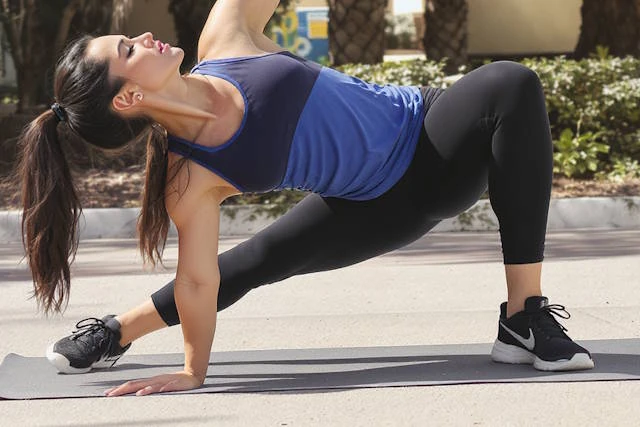
When you perform a movement with full concentration‚ every detail gains meaning. How you place your foot‚ the direction of your shoulder‚ the angle of your head - everything becomes part of one complete piece of music. Attention like this deepens practice and turns it from mechanical to mindful. Quiet repetition teaches the body to listen to itself - to know when it is straining too hard‚ when it is too loose and how to find the exact balance between the two.
The Wisdom of Patience and Slowness
In an age of instant results‚ quietly repeating a movement is almost a subversive act. It demands patience‚ trust in the process and an understanding that real progress happens beneath the surface. Every small repetition‚ even if it looks identical to the one before‚ adds a layer of depth. The body learns not only to move but to understand itself. This patience builds a quiet strength that depends not on speed but on stability.
How Repetition Builds Control and Confidence
The more you repeat a particular movement‚ the more confidence you build - not only in the movement itself but in your overall ability to handle challenges. Quiet repetition reminds the body that it knows‚ that the skill is there even when your thoughts scatter. From this confidence comes freedom too: there is no need to prove anything or strain‚ only to be in motion. It is a state in which precision is born from quiet and confidence comes from knowing your body.
How Quiet Practice Shapes Everyday Life
The wholeness gained through quiet repetition does not stay in the body alone. It slowly seeps into other areas too: patience at work‚ attentiveness in relationships‚ the ability to listen without rushing to respond. A movement performed with presence teaches that life itself is a sequence of small movements that repeat and improve over time. Every daily action - breathing‚ walking‚ writing - becomes a practice of awareness and wholeness.
In Summary
Quiet repetition of a movement that brings wholeness is a deep lesson in persistence‚ attentiveness and balance. It teaches that every meaningful change starts with small details‚ attention and slowness. Through repetition you build a strong body‚ but also a calm mind. Wholeness is not a destination at the end of the road but a feeling that grows with every additional repetition. In the quiet between movements clarity is born‚ and in the precision of each repetition lies the beauty of simplicity.