A Slow Meal That Brings Your Attention Back to Flavor
How eating slowly sharpens your sense of taste and fullness and turns an ordinary meal into a calm‚ shared ritual around the table.
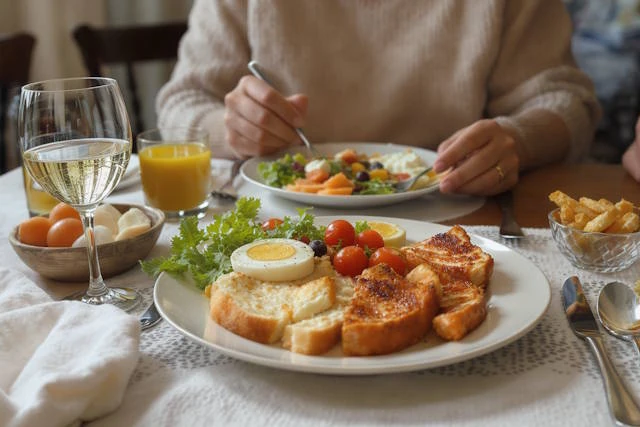
The Difference Between Eating and a Culinary Experience
Everyday eating is meant to meet a need‚ but a slow meal seeks to offer an experience. It lets you realize that every bite is a chance to discover new flavors‚ to feel the exact combination of ingredients and to tell a gentle bitterness from a soft acidity. Slowness is not a goal in itself; it is a tool that lets body and mind fall into sync. When you slow down‚ both digestion and the feeling of fullness come into balance. The body gets what it needs‚ and the mind enjoys the whole process.
Why a Natural Eating Pace Matters for the Body
Slow eating strengthens the connection between hunger and fullness. When you eat too fast‚ the brain does not have time to realize that the body has already had enough food. A slow meal‚ in contrast‚ allows the body's natural mechanism to recognize when it is enough. Beyond that‚ slowness contributes to easy digestion‚ releases tension and improves overall energy. The body‚ used to a fast pace‚ responds immediately to the change and brings back a sense of balance and inner calm.
The Slow Meal as an Invitation to Be Present
There is something just right about the idea of sitting at a table and not rushing. Slowness creates a break from the outside world: from the phone‚ from tasks‚ from pressure. It connects you to a "here and now" feeling in which food becomes the focus of full attention. A slow meal is not only about what goes into the body but also about what happens around it: a relaxed conversation‚ a glance‚ a moment of quiet. It is a time when taste and experience merge into a broader meaning.
How Slowness Affects the Taste of Food
When you eat slowly‚ the palate wakes up. Suddenly you can tell the difference between the natural sweetness of a vegetable and the light aftertaste of a spice. The texture of soft food feels different when you give it time. Even water or wine takes on new depth when sipped gradually. A slow meal lets you rediscover what is already on the plate‚ simply by not rushing to the next bite.
The Link Between Slow Meals and Mental Health
The pace at which you eat directly affects your mood. When you slow down‚ the body releases hormones that increase a sense of calm and reduce stress. Eating turns from a technical act into a mindful one that restores control and encourages serenity. It is a moment in which you can feel connected to yourself and to those around you‚ even in the middle of a busy routine. The feeling after a slow meal is not only physical fullness but also inner quiet.
How Setting and Atmosphere Affect Eating Pace
A calm atmosphere is one of the key conditions for a slow meal. Soft light‚ quiet music‚ pleasant tableware and a comfortable seat create an environment that encourages a natural slowdown. The setting directly influences the pace of eating‚ and therefore the experience itself. Sometimes a small change‚ such as turning off the television or putting the phone aside‚ is enough to turn a meal from an everyday rush into a ritual of calm.
Returning to the Values of a Simple‚ Mindful Kitchen
The slow meal also brings attention back to the way we cook. Slow cooking‚ delicate seasoning and natural ingredients are part of the same outlook that asks us not to hurry. Food prepared with patience carries a different depth of flavor‚ one you can taste in every bite. Cooking itself becomes a healing process‚ in which the aromas‚ sounds and textures create a sense of contentment even before the dish is ready.
The Link Between Slow Meals and Social Connection
Eating slowly encourages communication. It allows people to talk‚ laugh and listen without feeling pressured. Around a table where the food is served slowly‚ the conversation softens too. The people around you are not just sharing food; they are sharing time. And that may be the most important ingredient of any real meal: the ability to be together without rushing to finish. A slow meal connects people just as it connects flavors.
The Food Culture Behind the Idea of Slowness
In recent years a culinary movement has developed around the world that promotes the idea of Slow Food. It was born in Italy as a response to fast-food culture and is based on principles of sustainability‚ awareness and care for food and the environment. The aim is not just to eat slowly but to restore respect for food and for the process. The slow meal is part of the same idea: consciously choosing to enjoy food‚ knowing where it comes from and appreciating its effect on the body and on the planet.
How a Slow Meal Changes Perception
When you embrace the idea of slow eating‚ your whole relationship with food changes. It is no longer seen as something you need to "finish" but as something worth giving attention to. The meal becomes an opportunity to stop‚ breathe and experience. It is a change that seeps beyond the dinner table into life itself. Slowness teaches patience‚ focus and the ability to enjoy the moment.
Summary
A slow meal that brings your attention back to flavor is much more than a culinary act; it is the expression of a different awareness. It teaches that food is not only fuel but a language. Through slowness we return to listening‚ sensing and respecting what is in front of us. In a world that measures everything in time and speed‚ the slow meal is a reminder that the truly meaningful things happen precisely when we slow down. It is not just a way to eat; it is a way to live.