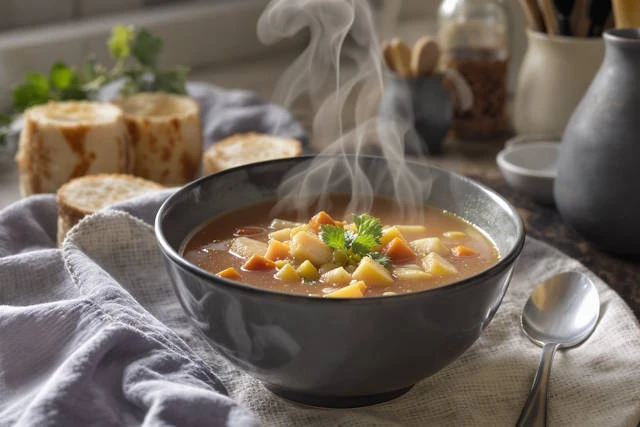
Gentle Seasoning That Brings Out the Ingredients
Why restrained seasoning and fresh herbs reveal the natural flavor of good ingredients better than a heavy hand with spices.
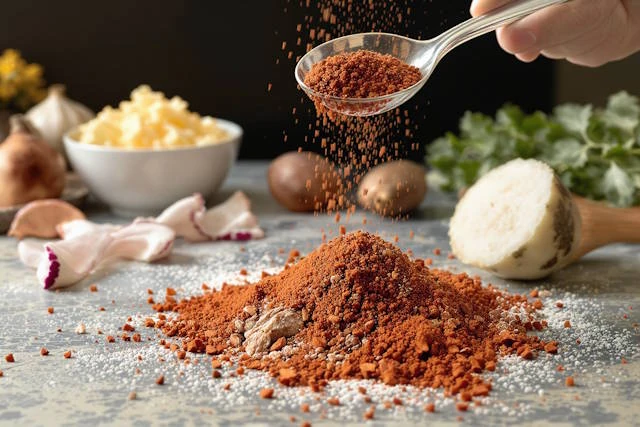
The Philosophy Behind Precise Seasoning
Precise seasoning is based on thought‚ not habit. It comes from understanding that every ingredient - a vegetable‚ fish‚ chicken or grain - has its own qualities and its own natural ability to create flavor. Gentle seasoning is meant not to hide but to illuminate. This approach assumes that the strength of a flavor is measured not by the amount of spice but by sensitivity to how the spices combine. The right dose creates a sense of completeness without heaviness‚ like a painting made with a fine brush rather than coarse strokes.
The Link Between Ingredient Quality and Balanced Seasoning
Gentle seasoning starts with choosing the right ingredients. Fresh vegetables‚ good olive oil‚ fresh herbs and natural spices create a base whose flavor is strong even without additions. When the main ingredient is of high quality‚ seasoning becomes a light touch that highlights its natural character. Over-seasoning is sometimes needed to mask a mediocre ingredient‚ but when you work with good produce‚ what is called for is restraint. This principle strengthens the authenticity of the dish and the feeling of real flavor.
How Gentle Seasoning Shapes the Sensory Experience
Gentle seasoning speaks to all the senses. It doesn't try to surprise or hit hard but leads the diner on a journey of changing‚ delicate and balanced flavors. Each bite reveals a different nuance - a light scent of herbs‚ a slight tang of lemon‚ the soft bitterness of olive oil or the quiet sweetness of a roasted vegetable. With the right balance‚ you get the feeling that the food speaks in a natural‚ effortless language that connects calm with depth of flavor.
Using Natural Herbs as an Art of Precision
Herbs such as thyme‚ basil‚ rosemary or mint are considered the natural ambassadors of gentle seasoning. Using them well requires an understanding of the exact amount and timing. Adding them too early in cooking can make the aroma vanish‚ and adding them too late can give a flavor that is too sharp. Combined with precision‚ they add depth without taking over. It is a balance between freedom and precision - like conducting an orchestra in which every instrument plays a small but vital part in the overall harmony.
Gentle Seasoning as a Tribute to Different Culinary Cultures
In many cultures around the world - from Japanese to Italian cuisine - there is a deep appreciation for restraint in seasoning. In Japanese cooking‚ for example‚ the natural taste of an ingredient is highlighted with clear sauces such as diluted soy sauce or mirin. In Italy‚ olive oil and a little sea salt are enough to bring a fresh tomato to life. In the traditional Middle East too‚ the precise use of cumin‚ coriander and lemon creates dishes that are rich yet balanced. Gentle seasoning is not a limitation - it is a global culinary language that speaks in terms of precision‚ feeling and attentiveness.
The Link Between Gentle Seasoning and Health
Beyond culinary aesthetics‚ gentle seasoning has a clear health benefit too. Using less salt‚ sugar or fat lets you enjoy full flavors without upsetting the body's balance. Natural ingredients seasoned with restraint keep their nutritional value and leave the body feeling light and balanced after the meal. In addition‚ when diners focus on the real flavors‚ they eat more slowly‚ enjoy more and become more aware of what they put into their bodies.
How Gentle Seasoning Affects the Hosting Experience
Gentle seasoning also affects how guests experience a meal. Dishes seasoned in the right measure create a harmony that lets everyone enjoy the flavor without feeling overwhelmed. Hosts who cook this way project calm and confidence‚ because they know that flavor doesn't depend on excess but on balance. It is a way of expressing care - not only for the food but for the people sitting around the table.
Comparing Gentle and Bold Seasoning
There is no contradiction between bold and gentle seasoning - both are tools in the kitchen. The difference lies in the goal and the intention. Bold seasoning suits dishes that aim to stand out‚ stir emotion and make an instant impression. Gentle seasoning‚ by contrast‚ suits dishes where you want to highlight the ingredient and give a lasting sense of depth. In a smart kitchen‚ both styles live in harmony. The chef or home cook knows when to raise the volume and when to lower it - like a conductor who understands the importance of the silence between the notes.
What Gentle Seasoning Adds to Culinary Awareness
In a world with an excess of flavors‚ smells and colors‚ the simplicity of gentle seasoning takes on special meaning. It reminds us that our connection to food is not only sensory pleasure but also a process of attention. When you season gently‚ you learn to listen to what the food is telling you‚ to understand where it comes from and to appreciate its simplicity. It is not just a question of taste but of approach - an approach that respects the ingredient‚ the process and the person eating.
In Summary
Gentle seasoning that brings out the ingredients is not just a culinary technique but an expression of an approach based on balance‚ awareness and respect for nature. It reflects the understanding that good flavor is born of harmony‚ not of force. Those who adopt this approach discover that the kitchen becomes a place of listening and precise creation. Gentle seasoning is an invitation to see food not as something that needs "fixing" but as something waiting to be discovered. In a world hungry for quick thrills‚ there is a special magic in the quiet of a clean‚ clear flavor - one that speaks for itself and reminds us how much power there is in simplicity.