Smooth Braking That Extends Your Car's Life
Smooth braking reduces wear on pads and discs‚ saves fuel‚ protects passengers and makes every drive calmer‚ safer and kinder to the environment.
How Braking Style Affects the Car's Systems
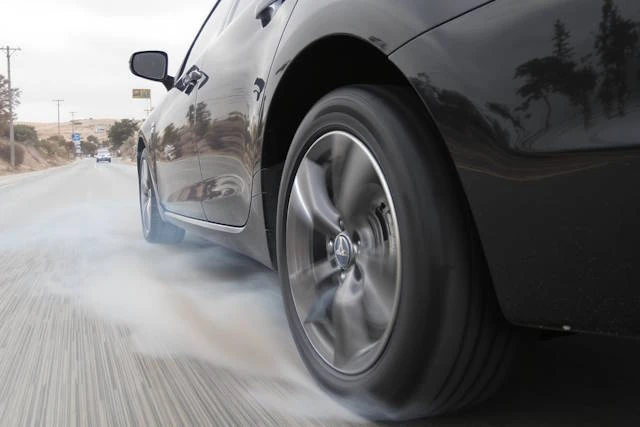
The braking system works under a very high load every time you press the pedal. Sharp or overly frequent braking raises the temperature of the pads and discs‚ which speeds up wear and can cause warping. Automatic transmissions also suffer from sudden braking‚ especially on downhill stretches‚ because they have to compensate for sharp changes in speed. Gradual braking‚ by contrast‚ keeps the temperature stable and lets the car come to a natural‚ comfortable stop. This reduces wear and extends the life of the whole car.
Choosing the Right Reaction Pace on the Road
Smooth braking starts before your foot even reaches the pedal. A driver who looks ahead‚ plans their moves and spots situations early hardly ever needs to brake suddenly. Keeping a proper distance from the car in front lets you slow down gently and use engine braking naturally. A calm reaction pace like this saves fuel‚ reduces strain and raises the level of safety. Well-timed braking also signals stability and confidence to other drivers and creates a calmer‚ smoother driving environment.
The Link Between Smooth Braking and Passenger Safety
Every hard stop directly affects the passengers' bodies - the head is thrown forward‚ the body tenses up and the overall feeling becomes stressful. Smooth braking‚ on the other hand‚ allows a gradual transition from speed to a stop. Passengers keep their balance‚ their bodies stay relaxed and the ride is more pleasant. In a family car or on public transport‚ gentle braking has a double meaning: it protects not only the equipment and systems but also the human experience. A ride like this encourages focus and inner calm for everyone on board.
How Smooth Braking Helps Save Fuel
Driving based on sharp braking and acceleration uses much more fuel. Every time you accelerate suddenly and then brake‚ you waste energy the car has produced. Smooth braking is part of mindful driving in which you keep a speed as steady as possible. It lets the engine work in its efficient range‚ reduces unnecessary use of the throttle and leads to a real drop in fuel consumption. Over time‚ this difference translates into significant savings and a real contribution to the environment.
How Road Conditions Affect Braking Quality
Effective braking is not the same in every situation. Wet roads‚ gravel‚ puddles or long descents call for a different approach. Gentle‚ gradual braking prevents the wheels from locking and maintains good grip on the road. Systems such as ABS or stability control are designed to help‚ but their role is to support the driver - not to replace them. A driver who practices smooth braking learns to feel the grip of the tires and adjust the pressure accordingly. This creates an ongoing interaction between person and machine that is based on attention rather than force.
Why Regular Brake Maintenance Matters
Even gentle braking cannot replace proper periodic servicing. Brake pads‚ discs and brake fluid tend to wear over time‚ especially for city drivers who spend a lot of time in traffic jams. Having the brakes checked every six months ensures the system works precisely. Smooth braking preserves the components over time‚ but only preventive maintenance ensures that performance stays at its best. Calm driving and responsible maintenance are the combination that keeps a car safe and reliable for many years.
How Trip Planning Helps Protect Your Brakes
Every drive that starts with good planning - choosing a route‚ the right time to leave and avoiding unnecessary congestion - reduces the need for frequent braking. Continuous driving allows smarter use of the car's energy. Drivers who spot traffic lights in advance‚ choose a steady lane and take the flow of traffic into account hardly ever need to brake hard. As a result‚ the brakes wear less‚ the temperature in the system stays steady and the drive itself becomes calmer.
How Smooth Braking Shapes the Driving Experience
Beyond the technical side‚ smooth braking creates a sense of control and ease. The car responds gently‚ the transitions from speed to a stop are almost imperceptible and the driver feels part of the surroundings rather than fighting them. Passengers feel safe and confident too. This experience changes your whole approach to driving - it reminds you that speed is not the only measure‚ and that precision and sensitivity to traffic matter. The calmer the driving‚ the more the body itself relaxes‚ and the drive becomes an almost meditative activity.
The Link Between Mindful Braking and Environmental Responsibility
Smooth braking is not just a technical habit but part of a broader approach to responsible driving. It reduces polluting emissions‚ extends the life of the car and prevents unnecessary use of polluting materials in the maintenance process. Calm driving contributes to a quieter environment‚ with less noise pollution and less wear on the roads. In this way one simple action can become a real expression of environmental awareness and personal responsibility toward the space we all share.
In Summary
Smooth braking that extends your car's life does not come from skill alone but from awareness. It reflects care for the car‚ the environment and the passengers. Drivers who develop this habit enjoy not only a more reliable car but also peace of mind and a sense of confidence on the road. Every stop becomes a precise action‚ and every drive becomes an experience of calm control. In the end‚ gentle braking is the right way to go further‚ safely and calmly.