Smart Refueling That Cuts Your Costs
The right time to refuel‚ a reliable station‚ correct tire pressure‚ a lighter car and calm driving habits together help you cut fuel costs noticeably.
Why the Timing of Refueling Matters
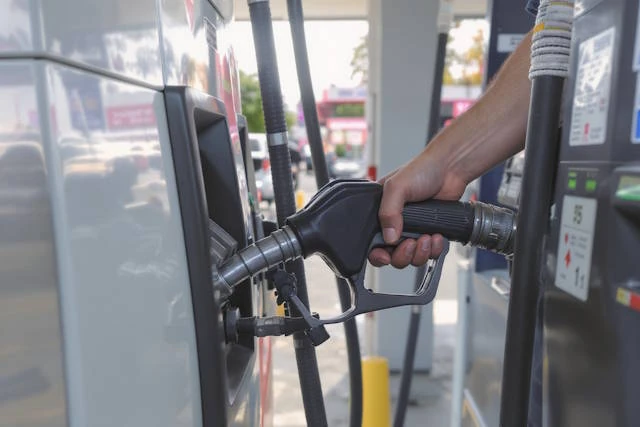
Few people know it‚ but even the time of day you refuel affects how much fuel you actually get. Liquid fuel expands in the heat and contracts in the cold‚ so refueling early in the morning or in the cool evening lets you put in more fuel for the same money. In addition‚ filling up when the gauge is close to empty can draw dirt from the bottom of the tank‚ which may damage the injection system. It is better to refuel when the tank is half empty‚ which balances cost efficiency with keeping the fuel clean.
Choosing a Reliable‚ High-Quality Gas Station
Fuel quality varies between stations‚ and sometimes very cheap stations use old fuel stocks or blends that do not meet standards. A reliable station replenishes its fuel often‚ keeps its tanks clean and maintains proper pressure in its pumps. The price difference per liter may seem small‚ but over time it can affect engine health‚ fuel consumption and the life of the injectors. A smart choice of a quality station saves expensive trips to the garage and prevents unnecessary breakdowns.
How Tire Pressure Affects Fuel Consumption
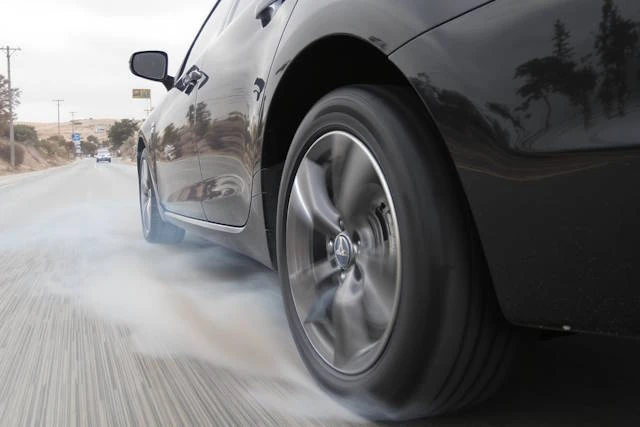
Low tire pressure increases friction with the road‚ which can raise fuel consumption by up to ten percent. Checking every two weeks and keeping the pressure recommended by the manufacturer is one of the simplest and most effective ways to save. Worn or bald tires can also waste energy and reduce stability while driving. Combining smart refueling with regular tire care is a sure recipe for long-term savings.
How a Car's Weight Affects Fuel Costs
An overloaded car uses more fuel‚ even if the extra items seem negligible. Every five unnecessary kilograms in the car demand more energy from the engine. It is worth removing unneeded gear‚ taking off a roof box or bike rack when you are not using them and keeping the weight in the trunk reasonable. "Lighter" driving shows up right away as lower consumption. In addition‚ regularly keeping the tank less than completely full can reduce the car's total weight‚ especially on city drives with many stops.
The Link Between Driving Speed and Fuel Consumption
Speed directly affects engine efficiency. Optimal consumption is usually reached between 80 and 100 km/h. Above that speed‚ every additional 10 km/h increases fuel consumption by about ten percent. Driving at a steady speed‚ using cruise control and avoiding sharp acceleration and braking let you keep a steady pace and significantly reduce waste. This is a great example of how smart refueling does not end at the station - it continues with every kilometer of mindful driving.
Regular Maintenance to Keep the Engine Efficient
A healthy engine uses less fuel. A clean air filter‚ quality engine oil and new spark plugs all affect combustion efficiency. Regular maintenance makes better use of every drop of fuel and reduces polluting emissions. Drivers who keep up with servicing find that the car "breathes" better‚ responds faster and feels lighter on the road. This way‚ even when fuel prices rise‚ the car itself runs efficiently and makes up for it with economical performance.
Choosing the Right Type of Fuel for Your Car
In some cars you can choose between fuels with different octane ratings. Higher octane is not always an advantage - if the engine is not designed for it‚ it will not use the benefit and fuel consumption will not improve. It is important to check the manufacturer's recommendation and stick to it. In some cases‚ using the wrong fuel can cause long-term damage to the engine and the exhaust system. Knowing exactly which fuel suits your car ensures the best performance for years.
How Driving Habits Affect How Often You Refuel
Small habits make a big difference. Calm driving‚ keeping a steady distance‚ slowing down gradually before traffic lights and avoiding sharp acceleration save fuel every day. Using the air conditioning wisely matters too - in mild temperatures it is better to open a window‚ but at high speeds an open window creates air resistance that increases consumption. Striking the right balance between comfort and savings is an essential part of smart refueling.
How the Weather Affects Refueling Results
On very hot days‚ some of the fuel evaporates before it even reaches the engine. That is why it is important to close the fuel cap tightly and make sure the seal is intact. It is also a good idea to park in the shade or in covered spaces‚ especially when the tank is almost full. In cold weather‚ it is best to start the car gently and not accelerate right away - this way the engine reaches the ideal temperature for efficient fuel use. Even these small details add up to significant savings over time.
In Summary
Smart refueling that cuts your costs is a combination of mindful habits‚ advance planning and responsible maintenance. It starts with choosing a reliable station and keeping the car in top condition‚ and it continues with every kilometer of calm‚ efficient driving. Understanding the link between road conditions‚ timing and driving habits lets you get the most out of every drop. In the end‚ saving fuel is not the result of one big action but of a series of small decisions repeated every day. This way‚ even a routine drive becomes a real opportunity to protect the environment‚ your wallet and your car for years to come.