Soft Evening Lighting That Creates a Feeling of Warmth
How warm tones‚ well-placed lamps and a gradual shift to soft light in the evening make a home feel cozier and calmer.
The Effect of Light on Body and Mind
Light affects the rhythm of life more than we tend to think. Studies show that cool‚ overly bright lighting keeps the brain alert even in the evening‚ while soft‚ warm light helps lower stress levels and prepares the body for sleep. The human body is programmed to respond to light as a biological signal: when it dims‚ the brain releases melatonin‚ which brings on calm. That is why a gradual shift to soft light in the evening allows a natural transition into rest. Gentle light is not just functional lighting - it regulates the inner rhythm and creates a sense of physical and emotional calm.
The Aesthetics of Warm Lighting
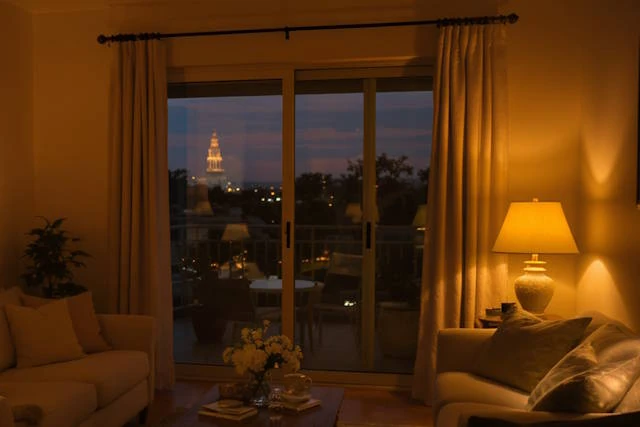
Soft lighting is defined not only by its intensity but also by its tone. Warm tones - yellow‚ amber or soft gold - create a sense of depth and warmth. White or bluish light‚ on the other hand‚ is considered "cold" and gives an industrial feel. Choosing warm light connects the space to a natural energy of calm and peace. When light touches wood‚ fabric or a pale wall‚ it creates a play of softness that warms the whole room. The result is an aesthetic experience that makes every evening feel personal and homey‚ even in a modern‚ simple space.
How Light Placement Affects the Atmosphere
The placement of light sources matters no less than the tones themselves. Light coming from eye level or from the sides feels more natural and softer than light from the ceiling alone. Combining table lamps‚ floor lamps and wall lights allows precise control over the atmosphere. Shared spaces in the home‚ such as the living room or dining area‚ benefit from layered lighting that highlights certain areas and leaves others softer. In private spaces such as the bedroom‚ it is better to choose diffused light that lets the eyes rest. This creates a balance that brings warmth without giving up practical comfort.
The Connection Between Lighting and Interior Design
Soft lighting brings any interior to life. Even a simply designed room gains new depth when light falls on it at the right angles. Bulbs with a low color temperature highlight the textures of fabric‚ wood and metal and add depth without weighing the room down. Combining design and lighting creates a visual narrative - one that changes from daytime to evening. Light becomes a language that tells a different story at every moment: brightness at noon and warmth in the evening.
Lighting as Part of the Evening Transition Ritual
Changing the lighting in the evening can become a small ritual that signals to the body and the home that the day is ending. Switching off the bright lights and turning on a single soft lamp sends a sense of calm that reminds the brain to shift from doing to resting. The moment the light changes‚ the pace at home changes too - conversations get quieter‚ thoughts become clearer and time slows down. This ritual‚ even if it lasts only a few minutes‚ encourages calm and brings a sense of inner order that helps you sleep better.
Soft Lighting as an Element of Intimacy
Beyond its physiological effect‚ soft lighting helps bring people closer. Gentle light evens out shadows‚ brings out glances and blurs flaws. It creates a space that invites conversation‚ listening and emotional connection. It is no wonder that restaurants‚ hotels and cafes choose warm‚ soft lighting - it makes people feel relaxed and more open. At home‚ the same lighting can turn an ordinary evening into a pleasant get-together with family or friends‚ where the atmosphere is built not by words but by light.
Using Natural Light and Supplementary Lighting
Soft evening lighting doesn't have to rely on bulbs alone. Sometimes combining the last natural light of the day with gentle artificial lighting creates a striking effect. Opening the curtains at sunset or leaving a candle burning in a corner adds a dimension of natural warmth to the space. Artificial light serves as support for natural light‚ not as a replacement. Together they allow a harmonious transition from day to night and give a gentle sense of continuity.
Lighting and Ecology - Balancing Comfort and Savings
Soft lighting can also be economical and eco-friendly. Good-quality LED bulbs with a warm color temperature save energy while keeping the feeling of warmth. Gradual dimming or timers also let you enjoy pleasant light without wasting electricity. In this way lighting becomes not only a design element but also an expression of environmental responsibility. The combination of warmth‚ softness and efficiency creates harmony between people and their homes‚ and between the home and its surroundings.
The Effect of Lighting on the Sense of Space
Soft light can change how large and spacious a room feels. Focused light in certain areas creates depth and space‚ while uniform light can flatten the picture. Small rooms look more inviting when light is spread from different angles‚ and large rooms gain intimacy thanks to zones of warm light. The play between light and shadow creates interest and lets you control the mood of the room. Light thus becomes an invisible architect that redesigns the home every evening.
In Summary
Soft evening lighting is much more than a design element - it is an experience of calm‚ intimacy and balance. Warm light changes how a home feels‚ affects your inner state and encourages real rest. When the light is easy on the eyes‚ conversations become softer too‚ and the whole place feels enveloping and safe. It is a chance to return to simplicity - to light that touches gently‚ illuminates without dazzling and reminds us that warmth comes not from heat itself but from the way light brightens both the heart and the home.