Precision in the Small Details That Separates Good from Excellent
Why attention to detail sets true professionals apart and how precision shapes trust‚ teamwork‚ decision-making and the customer experience.
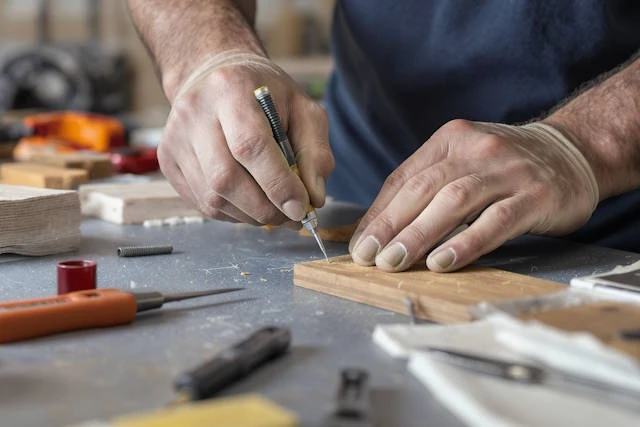
What Attention to Detail Means at Work
Genuine attention to detail is one of the qualities that define high-level professionals. It is the ability to see the whole picture without losing precision in the small parts that make it up. When you work this way‚ every stage of the process is carefully planned‚ from the initial idea to the final execution. This care conveys seriousness‚ reliability and commitment‚ and it is what makes clients‚ colleagues and managers recognize true professionalism. While most people aim to finish a task‚ those who strive for excellence aim to get it exactly right.
How Small Details Shape a Big Result
Small details are not a marginal extra; they are the element that makes the work flawless. Minor mistakes‚ imprecise wording or a lack of attention to technical points can lead to significant problems later on. In contrast‚ when every detail receives real attention‚ the process becomes stable‚ clean and precise. Every small correction made in time prevents a big problem in the future. Investing in details prevents inconsistency‚ ensures uniformity and gives everyone involved in the process a sense of confidence.
The Link Between Precision and Professional Trust
Trust is one of the central elements of any working system. Clients‚ partners and teams rely on those who prove they can be counted on in the small things too. When someone checks a document twice‚ insists on precise wording or asks a question before making a decision‚ they convey responsibility and seriousness. It is not only a question of character; it is a way of working based on consistency. Precision creates a sense of security because it ensures that everything done has been fully thought through.
Precision as a Tool for Continuous Improvement
Paying attention to small details also develops the ability to learn and improve. In every project there is room to examine what can be made more precise‚ what can be improved and what can be polished. Precision is not born of a desire for impossible perfection but of an ongoing wish to raise the bar. Professionals who are aware of the importance of small details naturally develop a constructive critical sense that leads to continuous improvement. Every piece of feedback becomes an opportunity for further precision‚ and every success is measured by the ability to maintain a high standard over time.
How Precision Affects the Customer Experience
For the customer‚ precision is an experience they feel without necessarily noticing it. Accurate service‚ meeting deadlines‚ consistent language and orderly documents all create a sense of security and reliability. A customer who knows that every detail of their matter is handled carefully feels they are in good hands. That is the difference between feeling "fine" and feeling "perfect". Even rare human errors are received differently when the customer knows they are exceptions in a precise and clear process.
The Link Between Precision and Professional Aesthetics
The aesthetics of work are expressed not only in appearance but also in order‚ organization and the way things are presented. A tidy document‚ precise project planning or a presentation that looks clean and clear all convey professionalism. Precision in these details creates an impression of completeness‚ even when it concerns something small. It is a visual expression of orderly thinking and of effort invested. Aesthetics are not mere decoration but a reflection of the desire to do things right all the way to the end.
How Precision Contributes to Teamwork
In a team setting‚ precision becomes a value that strengthens coordination between people. When everyone is careful and accurate in their role‚ the whole process runs more efficiently. Small inaccuracies can set off a chain of errors‚ while a culture of care creates a smooth flow. Precision is not just a personal matter; it is a collective responsibility. Teams that adopt this approach develop a shared language of excellence in which every detail is checked‚ examined and done accurately.
The Impact of Precision on Decision-Making
Precision in the details also affects the quality of decisions. A decision based on inaccurate data or partial understanding can lead in the wrong direction. When data is collected carefully‚ checked and verified‚ better decisions can be built on it. Precision ensures that every stage of the decision-making process relies on trustworthy information rather than gut feeling. This creates a culture of responsibility and professionalism in which every action rests on solid foundations.
Attention to Detail as a Basis for Innovation
It may be surprising to discover that innovation‚ seen as the realm of creativity and breaking boundaries‚ actually relies on precision. A groundbreaking idea needs a precise structure to hold it up. In development‚ design or marketing alike‚ real innovation happens when there is full command of the details. Those who take care with every small detail create stable foundations that allow freedom of thought. Precision does not limit creativity; it allows it to grow on firm ground.
How to Maintain Precision Over Time
Maintaining precision is not a one-off task but a habit built over time. It requires discipline‚ patience and the understanding that perfection is built from small steps. Clear procedures‚ double checks and a routine of self-review are part of a system that keeps standards from wearing down. Even when the work is routine‚ precision maintains a consistent level that separates those who simply complete tasks from those who build results that last for years.
Summary
Precision in the small details that separates good from excellent is the foundation of professional excellence. It is not merely technical attention but an approach that respects the work‚ the client and the entire process. Those who devote attention to details convey responsibility‚ professionalism and genuine commitment. Every small detail completes the bigger puzzle‚ and every bit of precision adds a layer of trust and value. In a world where it is easy to rush and settle for "good enough"‚ it is precisely the care for small details that leads to true greatness‚ the kind that remains long after the work is done.