A Personalized Learning Method That Builds Self-Confidence
When learning is adapted to the person rather than the other way around‚ every small success turns into new confidence in their own abilities.

Understanding That Every Student Learns Differently
One of the most common mistakes in the education system and in everyday life is the assumption that everyone learns in the same way. In practice‚ some students need a visual explanation‚ others understand through movement and some need to hear the information in order to remember it. A personalized learning method starts from this understanding - that there is no single right way‚ but a wide range of ways to approach knowledge. Once learning is adapted to the person‚ it stops being a struggle and becomes a natural process in which every small success builds new confidence.
The Link Between Early Success and Growing Confidence
When a person experiences success in learning‚ even a small one‚ the brain receives a clear message: "It is possible to understand". One such success can break a pattern of years of self-doubt. A learning method based on personal adaptation brings quick results because it taps precisely into the learner's strengths. Every achievement strengthens belief in personal ability‚ and every challenge becomes an opportunity to improve rather than an obstacle. In this way‚ self-confidence is not built from the outside but grows from within‚ step by step.
Choosing Tools That Match the Learning Style
Effective learning requires precise tools. For visual learners‚ diagrams and colors are the key to understanding. For those who prefer listening‚ recordings or conversations may be the best way to remember. Learning through movement‚ experimentation or hands-on experience also develops deep understanding. A personalized learning method makes it possible to choose tools that fit a person's character and so turn the material into a natural part of their personal experience. Everyone can find the learning language that suits them - it just needs to be identified.
How a Supportive Environment Shapes a Sense of Capability
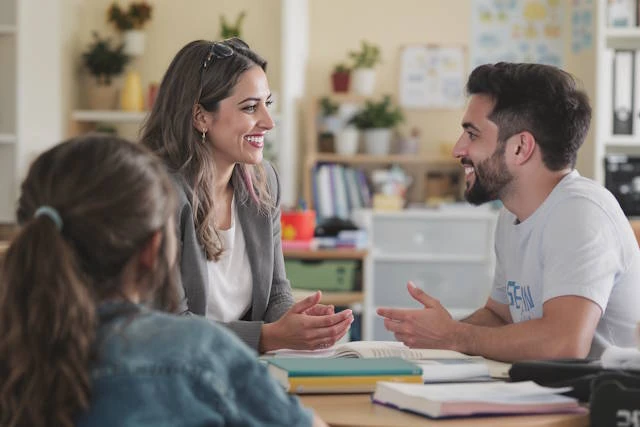
Even a good method cannot stand on its own without a supportive environment. An encouraging‚ non-judgmental learning environment strengthens learners' self-confidence. Instead of feeling that they "do not understand fast enough"‚ they sense that it is fine to make mistakes and ask questions. A teacher‚ instructor or group member who models patience and trust can completely change the learning experience. Confidence is built not only from the knowledge acquired but also from the feeling that there is a place where it is okay to be in the middle of the process.
The Balance Between Challenge and Success
Effective learning is not just a matter of comfort. A personalized learning method combines small challenges with positive reinforcement. When the level of difficulty matches the individual's level‚ a state of flow emerges - not too easy‚ but not frustrating either. This combination keeps the brain interested and creates a sense of satisfaction. The feeling that every task is achievable‚ even if it takes effort‚ strengthens self-confidence and encourages perseverance. It is a sense of success that feeds itself and leads to continuous progress.
The Role of Personal Feedback in Building Confidence
The right feedback is a critical component of a personalized learning method. It focuses not only on the result but also on the process. Instead of saying "you got it wrong"‚ the feedback addresses the path: what worked‚ what improved and what could be tried differently. This kind of conversation helps learners understand that learning is an ongoing journey‚ not a one-time test. When feedback is given in a positive spirit and based on trust‚ it builds a bridge between a mistake and an opportunity. This creates an inner sense of worth‚ not just an external one based on grades.
The Connection Between Independent Learning and Personal Responsibility
A personalized learning method encourages personal responsibility. When learners understand the way that is right for them‚ they take ownership of the process. They no longer depend only on the teacher or the framework but develop the ability to manage their own time and effort. This responsibility is not a burden - it is empowering. It turns learning from something you have to do into something you choose. This sense of control is one of the cornerstones of genuine self-confidence.
Emotional Adaptation as the Basis for Cognitive Success
Beyond methods and tools‚ there is also a deep emotional component. A person who feels safe‚ valued and seen learns better. A personalized learning method addresses this aspect too: creating an environment where there is no fear of failure‚ only encouragement to try. When there is emotional security‚ cognitive abilities open up as well. The brain stops being busy defending itself and starts processing information more creatively and freely. This is how real learning happens‚ connecting knowledge and emotion.
How a Sense of Success Affects Other Areas of Life
When self-confidence grows through learning‚ the effect reaches far beyond the study desk. A sense of capability spreads to other areas - work‚ relationships‚ decision-making. Being able to say "I managed to understand something new" becomes the ability to say "I can handle a challenge". It is a subtle but profound change that provides inner stability. Self-confidence built through a personalized learning process is confidence that lasts‚ because it rests on an experience of real growth rather than on momentary achievements.
In Summary
A personalized learning method that builds self-confidence is much more than an educational technique - it is a view of the human being. It recognizes that everyone learns differently and that there is no single right way to understand the world. When the method is adapted to the person and not the other way around‚ an ability that was always there comes to light‚ simply waiting for the right conditions to break through. A process like this builds real confidence‚ not through comparison with others but through self-discovery. Ultimately‚ successful learning is measured not only by the knowledge gained but by a sense of capability and the belief that you can keep learning - at any age and in any field.